

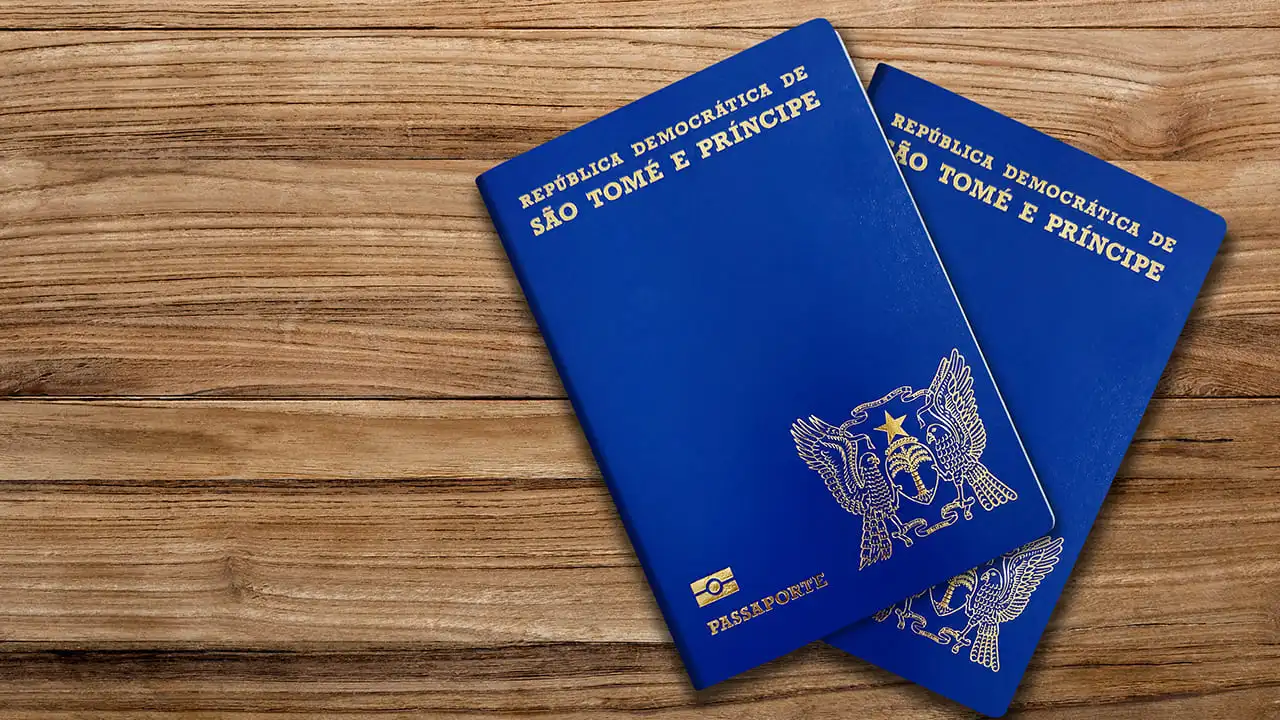
An investor wired a huge deposit in late 2025 to an agent promising a São Tomé and Príncipe passport. Delivery was guaranteed in three months. By March 2026, the agent had vanished, the money was gone, and the STP government had never even announced an official program. This isn't just a hypothetical. It’s a real and critical risk in the second-passport market: telling the difference between a government-sanctioned program and an expensive, unsubstantiated rumor.
Let’s be clear. As of 2026, São Tomé and Príncipe has no officially legislated or publicly verifiable Citizenship by Investment (CBI) program. The "price" is pure speculation. Figures like a $90,000 investment are found only on marketing websites, not official government sources. Any financial commitment based on these claims isn't just risky—it's a direct invitation to fraud, as your funds have no legal protection or government oversight.
Primary Source - A document or record created by a government, legislative body, or court that provides first-hand evidence of laws, regulations, or official proceedings. Examples include official government gazettes, enacted laws, or embassy announcements. In the context of citizenship, this is the only reliable basis for making investment decisions.
Is São Tomé and Príncipe's Citizenship by Investment Program a Myth?
For now, yes. As of 2026, the São Tomé and Príncipe Citizenship by Investment (CBI) program exists only on commercial websites and SEO-driven pages, not in any official government decrees. While the STP government has reportedly discussed the idea, there is no primary source confirmation of an active, legally-backed program. Zero.
Many online promoters confidently cite investment minimums, often around $90,000, and claim processing times as short as two to three months. These numbers, however, are not supported by any law published in the official gazette of São Tomé and Príncipe. They have not been confirmed by any intergovernmental source. This creates a critical distinction. A rumored program is a marketing concept; a legislated program is a legal reality. Investment decisions must be based on the latter, verified through official channels. Acting on marketing alone is a catastrophic financial risk.
Why Do Visa-Free Travel Numbers for São Tomé and Príncipe Vary So Widely?
A passport's value is often measured by its visa-free travel access. For São Tomé and Príncipe, the data is a mess. Online sources, mostly commercial passport-ranking websites, give a confusing range of figures, claiming visa-free or visa-on-arrival access to anywhere from 58 to 102 countries.
Why the wild discrepancy? Because these are secondary sources. These ranking websites are not official authorities. They use different methodologies, update their data on different schedules, and often fail to distinguish between true visa-free travel, visa-on-arrival, and e-visas. The result is a conflicting, unreliable picture of the passport's power. To get a truly accurate list of visa-free travel permissions, one would have to consult the Ministry of Foreign Affairs of São Tomé and Príncipe and then cross-reference those permissions with the immigration authorities of every single destination country. Without that primary source verification, any number you see is just an estimate.
How many countries can you visit with a São Tomé passport?
It's impossible to give one definitive number from public online data. Our research has found conflicting claims of 58, 59, 60, 63, 71, 72, 74, 75, 96, or 102 visa-free destinations. This huge variance proves the data comes from commercial estimates, not government guarantees. The lower end of this range (around 58-60) appears most frequently, but even that should be met with skepticism until it's verified by an official government source.
What Are the Official, Verifiable Paths to Citizenship?
While a CBI program remains a rumor, São Tomé and Príncipe's nationality law does provide for traditional, legally established paths to citizenship. These routes aren't quick or transactional; they demand a genuine link to the country. The main paths are:
- By Birth (Jus Soli): Being born on the territory of São Tomé and Príncipe may grant citizenship, though it's often subject to the status of your parents.
- By Descent (Jus Sanguinis): If you have a parent who is a citizen of São Tomé and Príncipe, you may be eligible.
- By Naturalization: This is the most common path for foreigners. It requires a long period of continuous, legal residency—often several years. A common pitfall here is misinterpreting "continuous"; an unauthorized trip abroad can reset the clock, forcing you to start the multi-year process all over again. You must also prove integration and meet other administrative hurdles.
- By Marriage: Marrying a citizen of São Tomé and Príncipe can be a pathway, but only after a set period and with rigorous proof the marriage is genuine. Officials are trained to detect sham marriages, so expect to provide evidence like joint bank accounts, property deeds, and a documented history of your relationship.
Unlike the phantom CBI offers, these paths are grounded in the country's legal framework. The catch? The specific legal texts and procedural rules are notoriously hard to find online. Trying to navigate this process yourself without a qualified local lawyer is a recipe for a rejected application and wasted years.
Why Due Diligence and International Scrutiny Matter
If São Tomé and Príncipe were to launch a legitimate CBI program, it would face intense international pressure. It would need a robust due diligence process. Any credible program must screen applicants to prevent criminals, sanctioned individuals, or security risks from getting a passport.
This vetting process relies on international cooperation and database checks through organizations like Interpol. Under its Rules on the Processing of Data, Interpol allows member countries to share information on persons of interest. A new CBI program would be expected to use these tools exhaustively. The fact that the STP government has made no official statements about due diligence protocols is another sign that a program simply isn't operational.
Beyond that, new citizenship programs face serious scrutiny from international bodies. The European Union, through legal frameworks documented in EUR-Lex, watches CBI programs in other countries very closely because of concerns about security, money laundering, and the integrity of the Schengen Area. Any new program that fails to meet these high standards risks having its visa-free access to the EU revoked overnight, making the passport dramatically less valuable.
What Will a São Tomé and Príncipe Passport Actually Cost in 2026?
The answer depends entirely on which path you take.
For a current citizen who needs to renew or replace their passport, the cost is a simple administrative fee set by the government. Minor.
For someone trying to get citizenship through a rumored investment program, the price is a ghost. Attempting to "buy" a passport based on today's unverified claims could cost you your entire investment, with no legal way to get it back. In 2026, the true "price" of a São Tomé and Príncipe passport through investment is unknown because no official program exists.
The only smart approach for 2026 is to ignore the noise from non-primary commercial/SEO pages. Instead, monitor official announcements directly from the São Tomé and Príncipe government, its official gazette, or its diplomatic missions. Until a law is passed and procedures are published by an official government source, any "price" you see is pure fiction.
This article is published by an independent law firm for informational purposes only and does not represent or claim affiliation with any government body, international organization, or official authority.
Frequently Asked Questions
How strong is Sao Tome passport?
The strength of a São Tomé and Príncipe passport is highly questionable. Commercial websites give a massive range for its visa-free access, from 58 to over 100 countries. This lack of reliable, verifiable data from a primary source means its real-world "strength" is uncertain and likely far lower than what marketing materials claim.
How to get Sao Tome and Principe citizenship?
The only legally confirmed methods are traditional ones: by birth in the country, by descent from a citizen parent, by marriage to a citizen, or by naturalization after years of legal residency. The heavily advertised "citizenship by investment" option is not officially confirmed by any government source as of 2026 and should be considered extremely risky.
Can I buy a passport from São Tomé?
No. You cannot legally "buy" a passport. Legitimate programs grant citizenship *after* a person makes a qualifying investment under a specific legal framework. As of 2026, São Tomé and Príncipe has no such official, public law in place. Therefore, any offer to "sell" you a passport is almost certainly a scam.